-
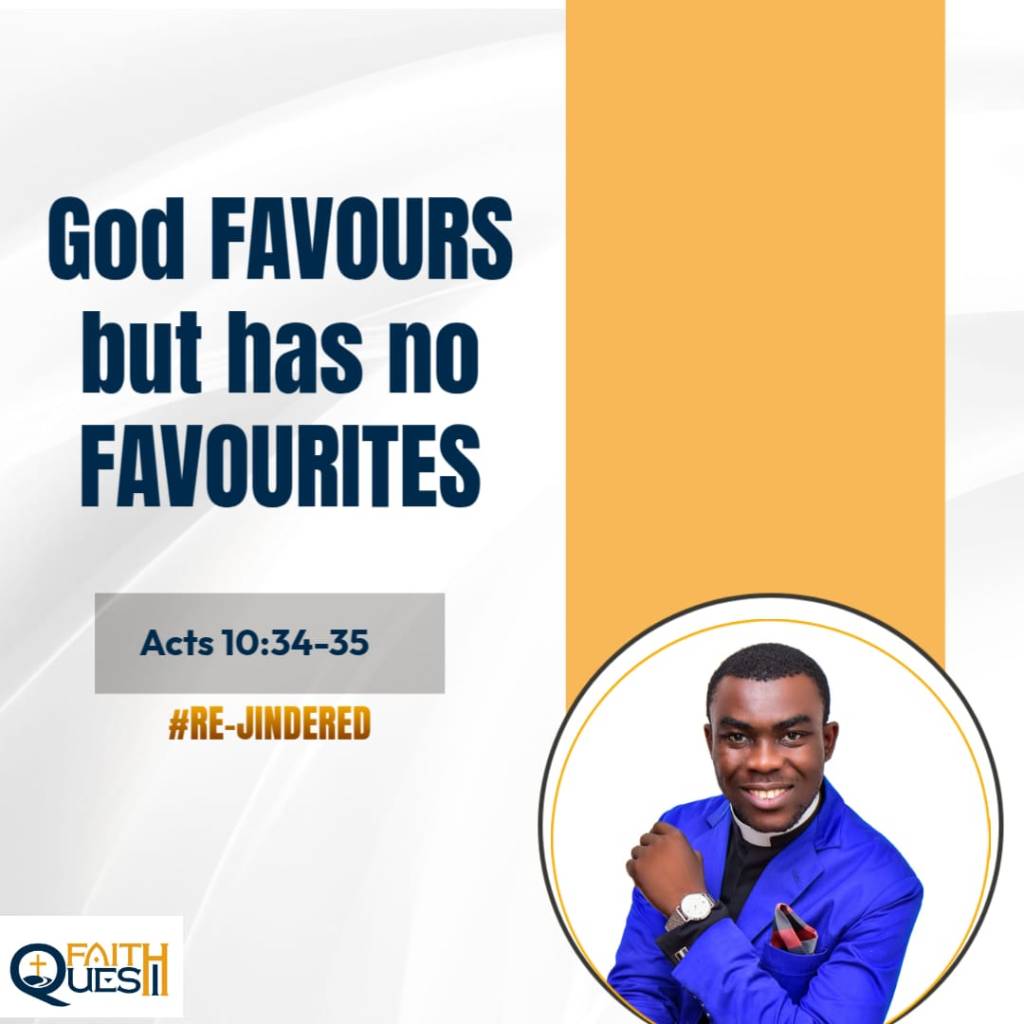
God’s Favour vs. Favouritism: A Theological Reflection
Abstract This article explores the distinction between God’s favour and favouritism, addressing common misconceptions about suffering, blessing, and divine love. Using Luke 13:1-5 as a primary reference, it demonstrates that tragedy does not indicate greater sin, nor does survival indicate greater righteousness. The discussion highlights the impartiality of God, the balance between divine sovereignty and…
-

Epicurus and the Problem of Evil: Understanding God’s Goodness and Human Freedom – Part B
Abstract This article explores the problem of evil and its relationship to the existence and nature of God, addressing the Epicurean paradox from a biblical and theological perspective. It argues that the existence of evil does not negate God’s omnipotence, omniscience, or omnibenevolence, but rather reflects the limits of human understanding. Evil is examined as…
-

From Belief to Freedom: A Closer Look at John 8:31–32″
“Then Jesus said to the Jews who had believed in him, ‘If you continue in my word, you are truly my disciples; and you will know the truth, and the truth will make you free.’” — John 8:31–32 (NRSV) At first glance, these verses may seem simple, but they contain profound truths about the believer’s journey. Belief…
-

The Epicurean Paradox and the Problem of Evil – Part A
Abstract This article examines the statement attributed to Epicurus, commonly known as the Epicurean Paradox, exploring its meaning, historical context, and far-reaching implications. The paradox raises profound questions about the nature of God, particularly His omnipotence, omniscience, and omnibenevolence, in light of the existence of evil. Tracing its influence through history, the paper highlights how…

Life Love Word
